Centrios Design Syst.
Company: Centrios - ASSA ABLOY
My Role: UI/UX Designer, UX Research
Team: Development Manager, Project Manager, Developers, Technology Manager, UX/UI Designer
Year: 2024 - Present (work in progress)
Scope: Design audit, component library, documentation.
Overview
Centrios Design System is a scalable, unified design system powering seamless experiences for the Centrios Platform; a cloud-based access control solution built for small businesses.
Centrios Design System ensures a cohesive user experience from sign-in to device and user management. It aims to enable faster design and development cycles, reduce interface inconsistencies, and support future scalability as the product evolves. With clear patterns, reusable components, and design tokens, it empowers teams to build confidently while maintaining a consistent brand and experience across every screen.
The Challenge
When I joined the Centrios team and began studying the platform, I quickly noticed an inconsistent user experience between the mobile and web apps. There was a clear disconnect in patterns, interactions, and visual language—making it difficult to scale or maintain the product cohesively. At that rate, there was no foundation for designing with scalability in mind. Recognizing this gap, I championed the need for a unified design system and began advocating for a scalable, cross-platform solution.
My Role
I lead the strategy and execution of the Centrios Design System, from auditing existing web and mobile experiences to building a scalable component library in Figma. I crafted a phased adoption roadmap and collaborate closely with product, engineering, and business teams to ensure alignment and drive adoption. My focus is on creating a consistent, scalable experience across platforms through systems thinking and cross-functional collaboration.

Foundation


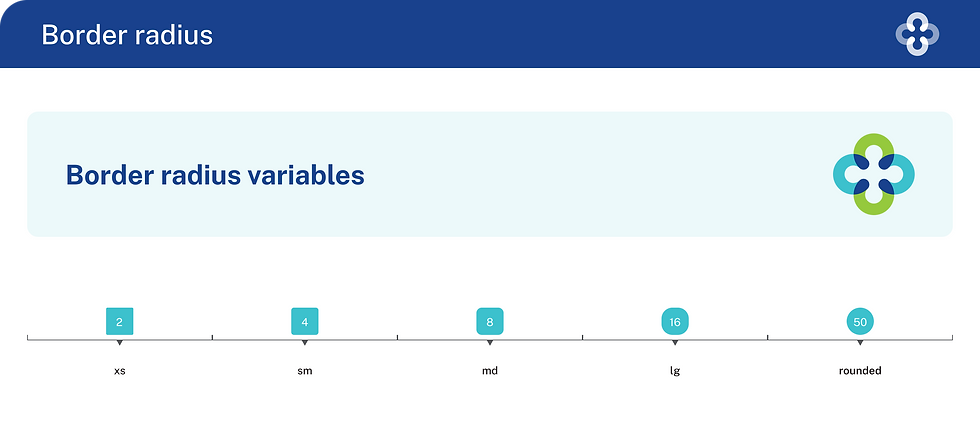


Components
The existing setup for data filtering flow within VaultNext’s Unity platform had become a bottleneck for users managing large datasets. Users reported that the process was:


Documentation


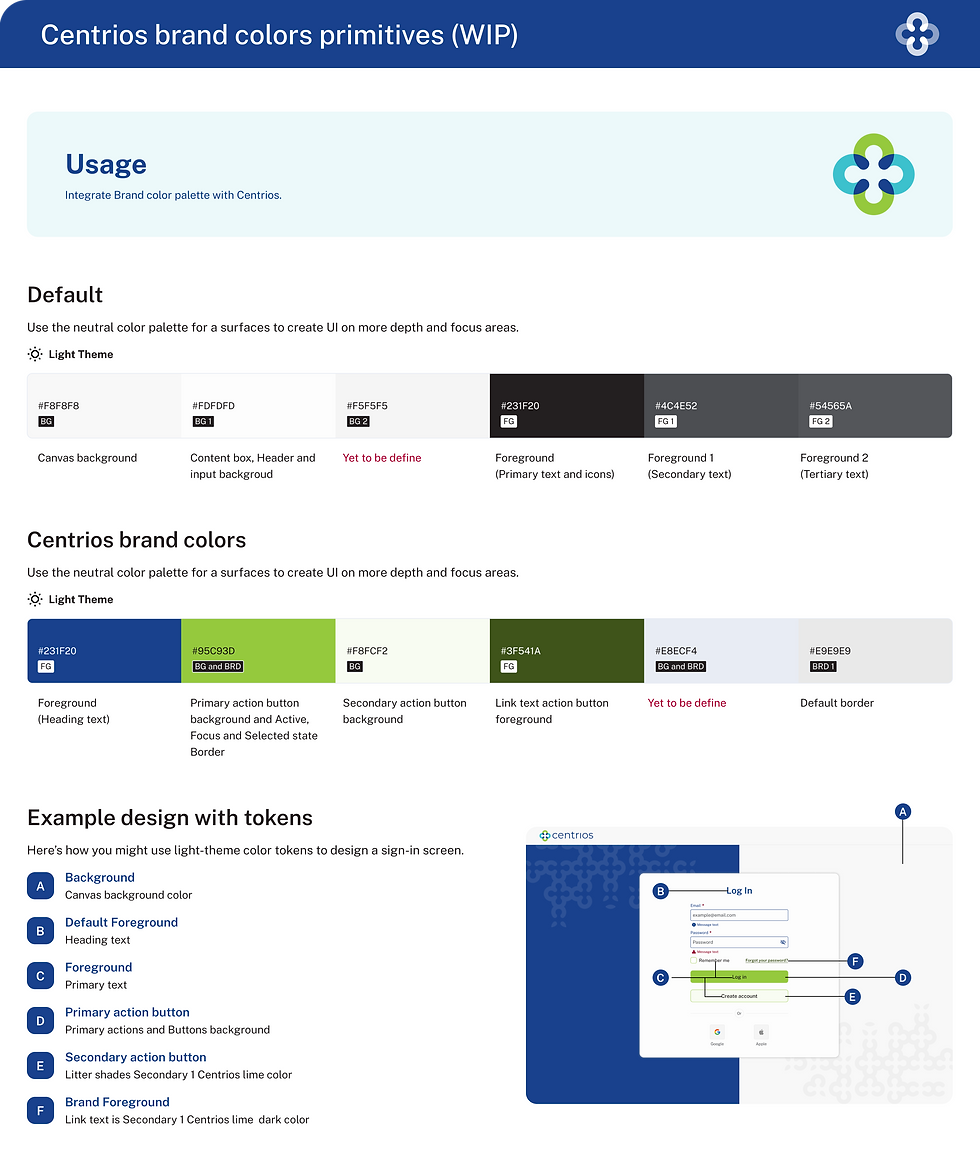


AvericsUnity
Final Results
(Post-Launch Metrics)
Collaborating with
cross-functional disciplines to drive business growth.
66% Faster
Time on Task:
Before - 3 mins 20 secs
After - 1 min 10 secs
Improvement - Time on task is now 66% faster.
Over 67%
Task Completion Rate:
Before - 55%
After - 92%
Improvement - completion rate improved by over 67%.
-37%
Drop-off During Filtering:
Before - 45%
After - 8%
Improvement - drop-off rate dropped by 37%.
+1.5
User Satisfaction (CSAT):
Before - 3.1/5
After - 4.6/5
Improvement - CSAT improved by 1.5.
Conclusion
The new filter design in Unity by VaultNext significantly improved usability, performance, and user satisfaction. This project showcased the value of user-centered design, strong cross-functional collaboration, and data-driven iteration.